Exhibition details
Closed from 2 Nov 2026 to 13 April 2027
All opening hoursFree entry
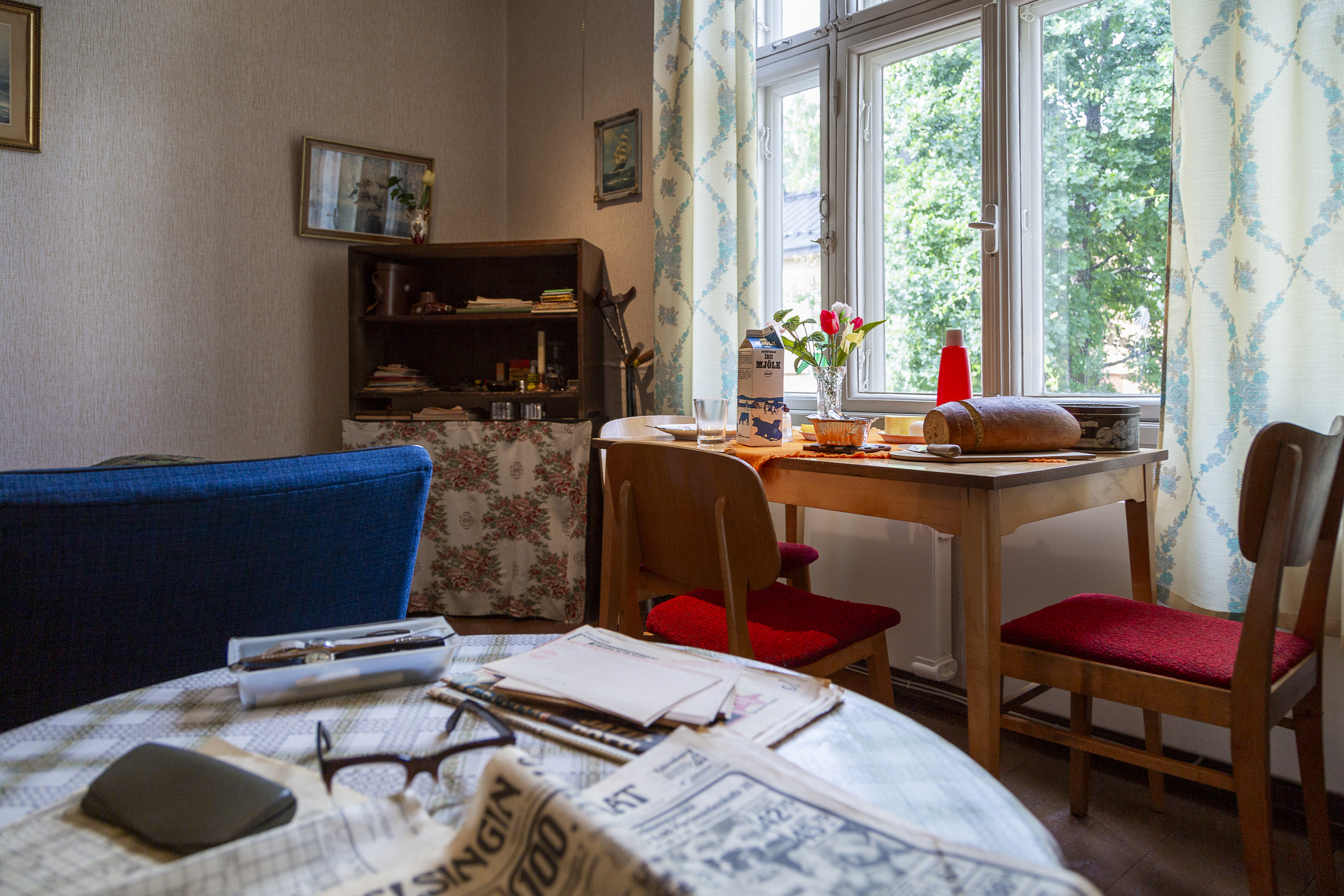
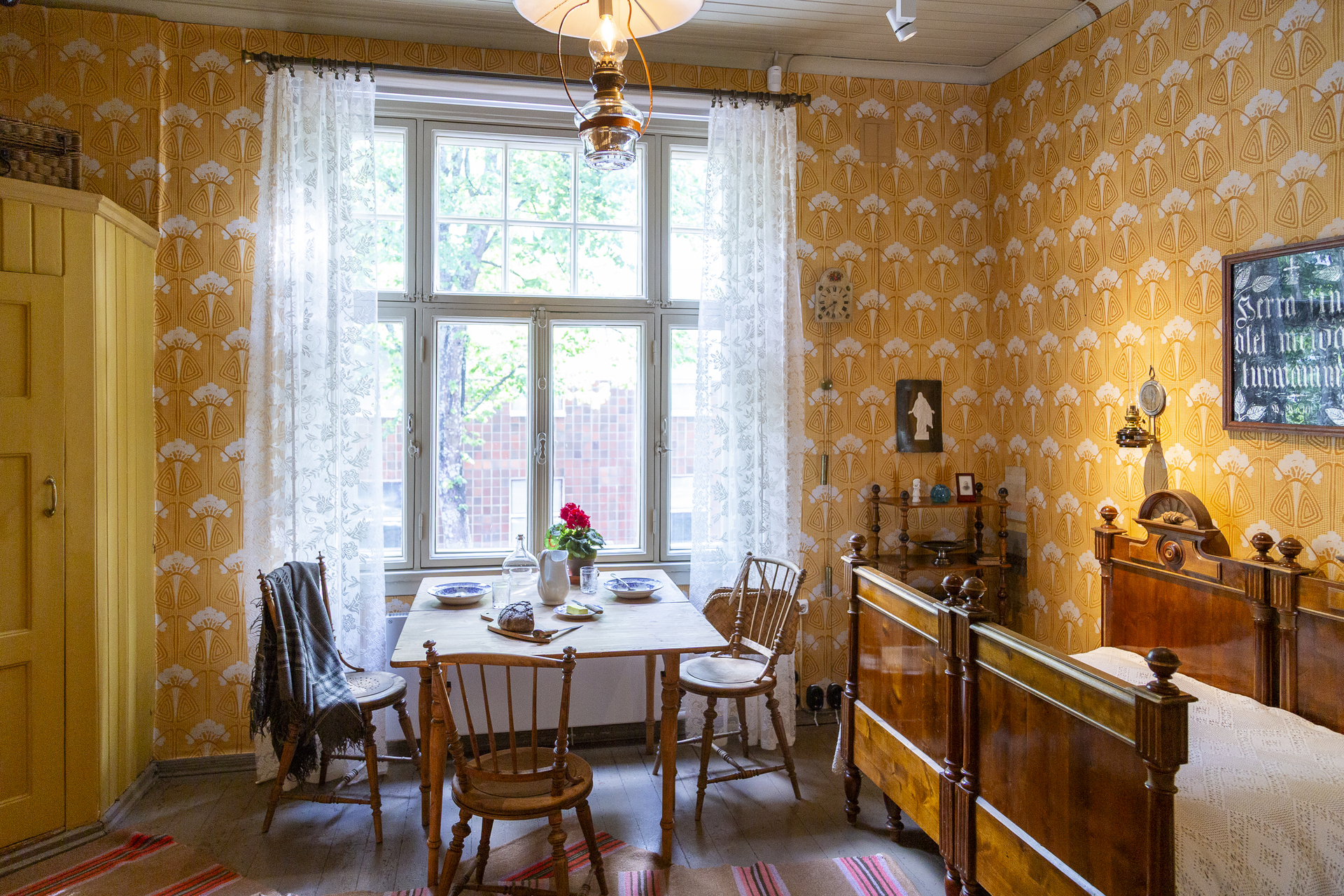
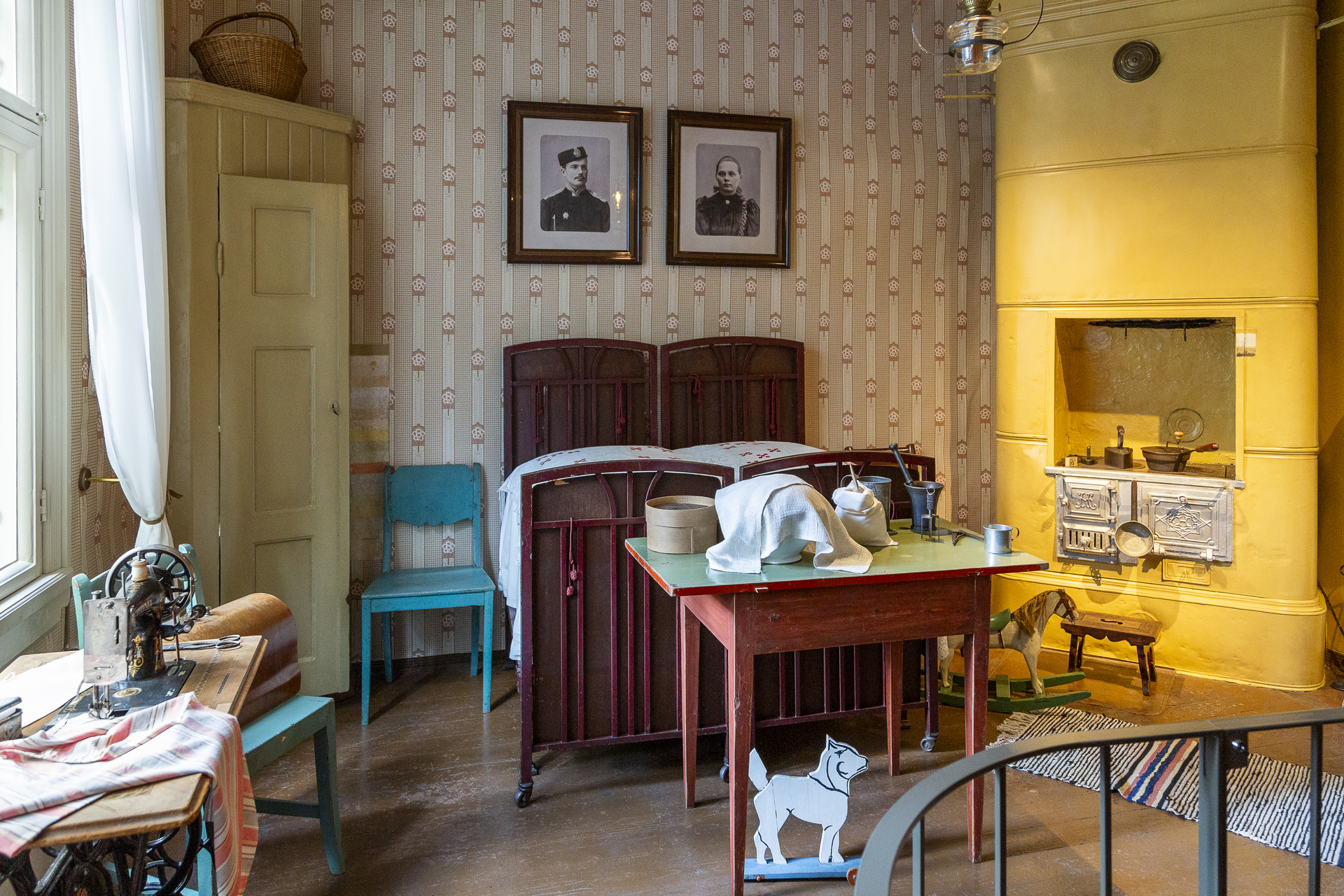
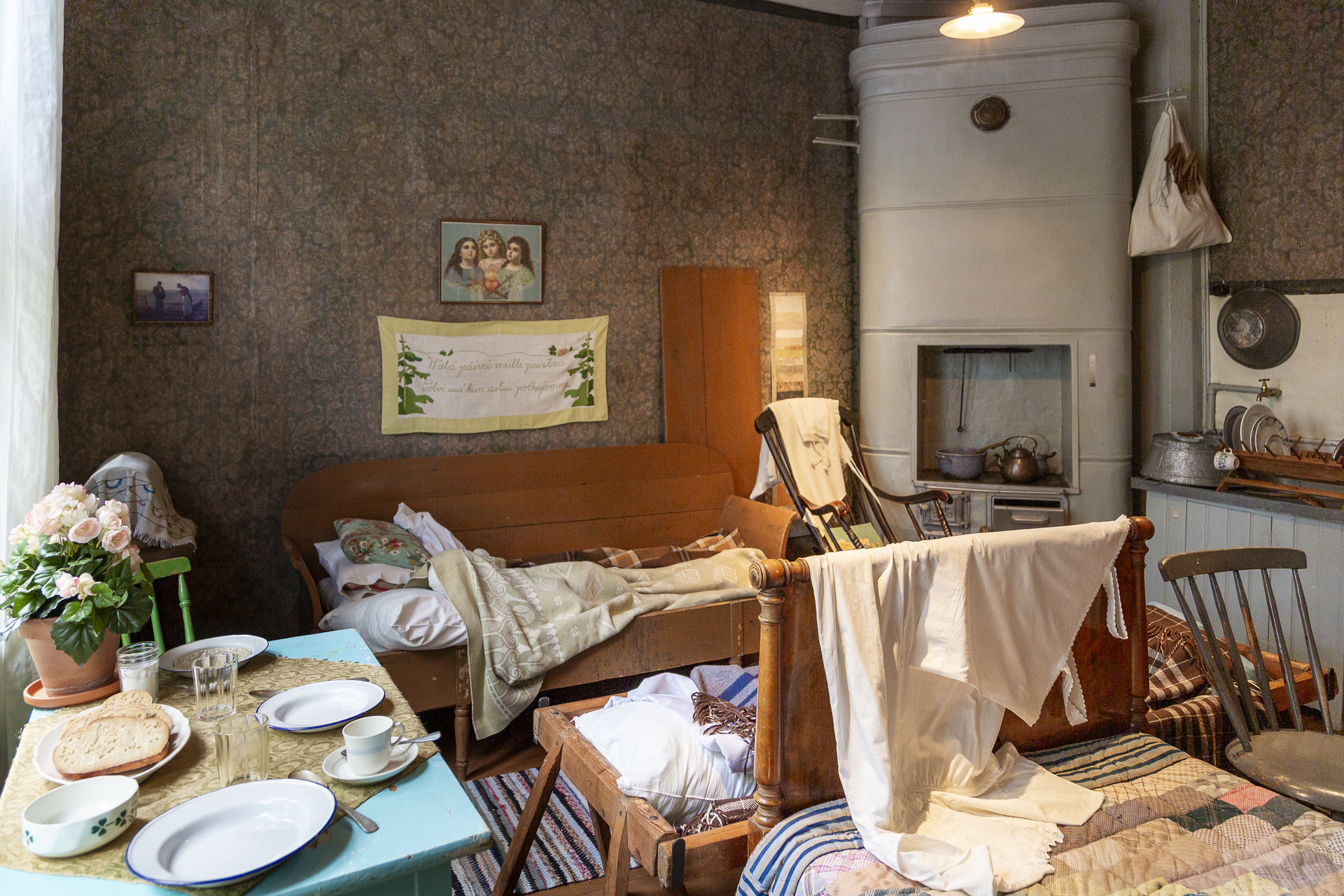
At the Worker’s Museum on Kirstinkatu in Alppila, you can visit nine working-class homes. The stove rooms are small and life in these homes is in many ways a far cry from modern living, but you can find familiar moments of everyday life within their walls: the residents rushing off to work, preparing meals, doing their homework, relaxing on a spring bed and celebrating family occasions. Here, you can find life all around you in the form of authentic stories, items and little moments. You can immerse yourself in the sounds of the wooden house and listen to the residents’ stories at your convenience on your own mobile phone.
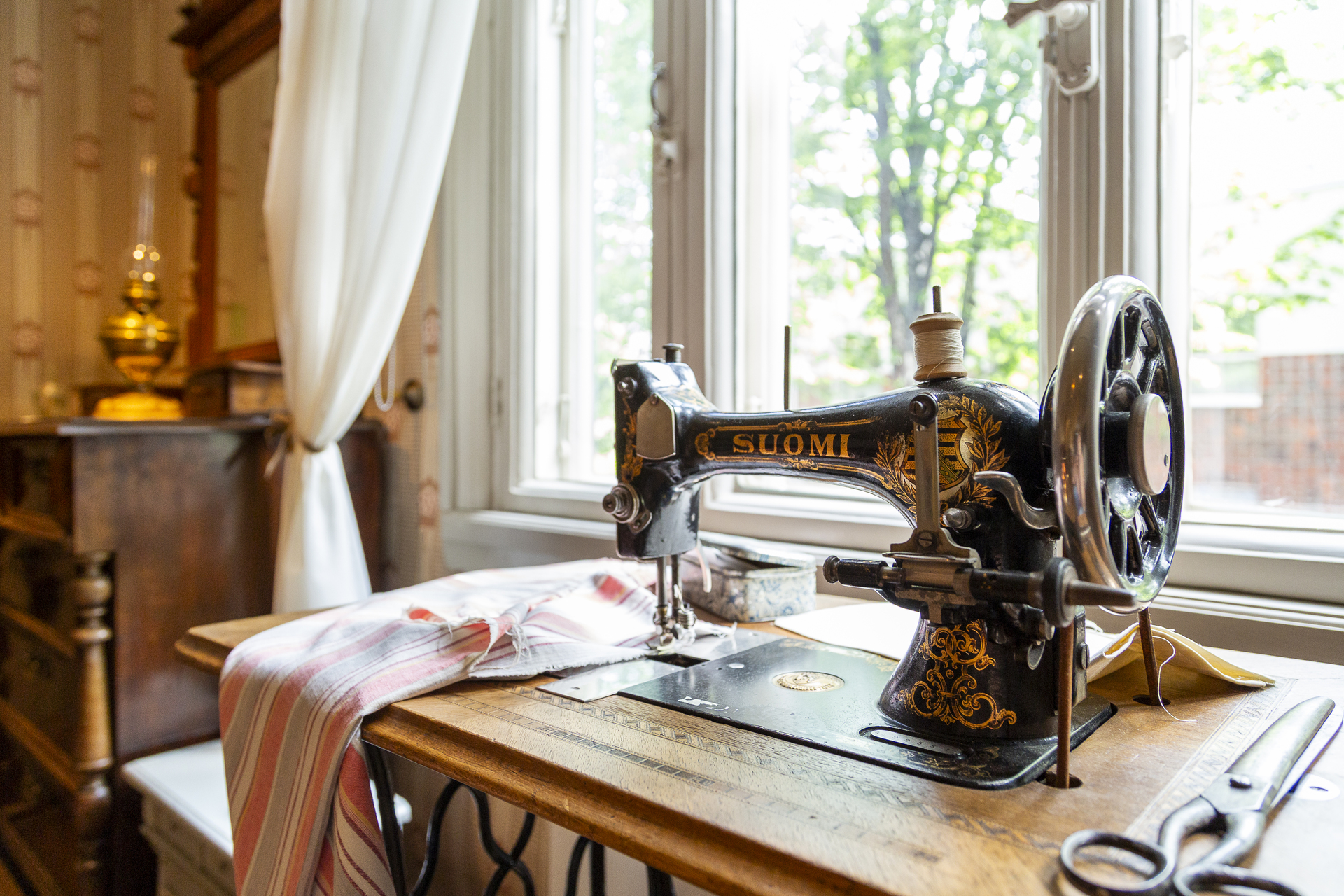
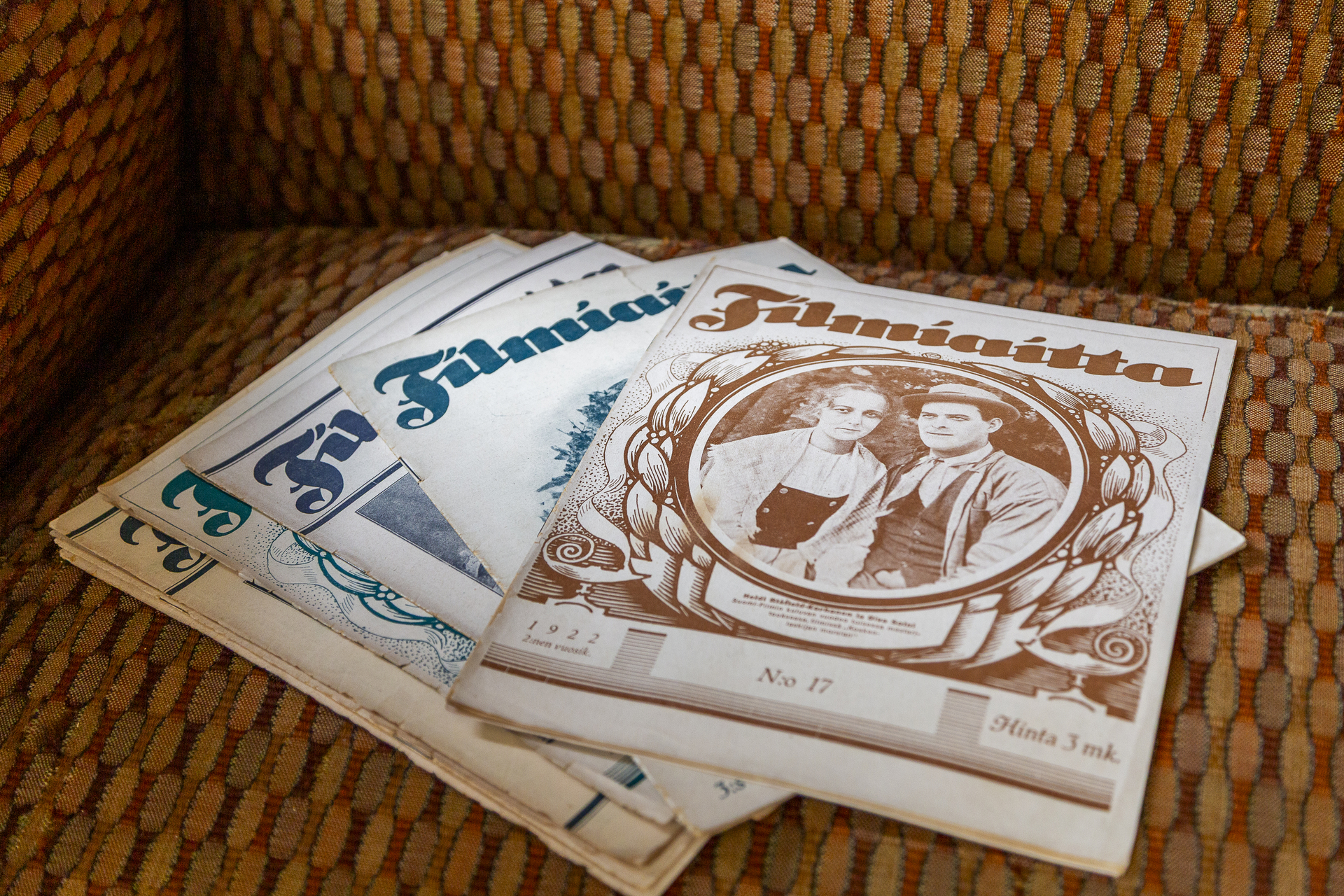
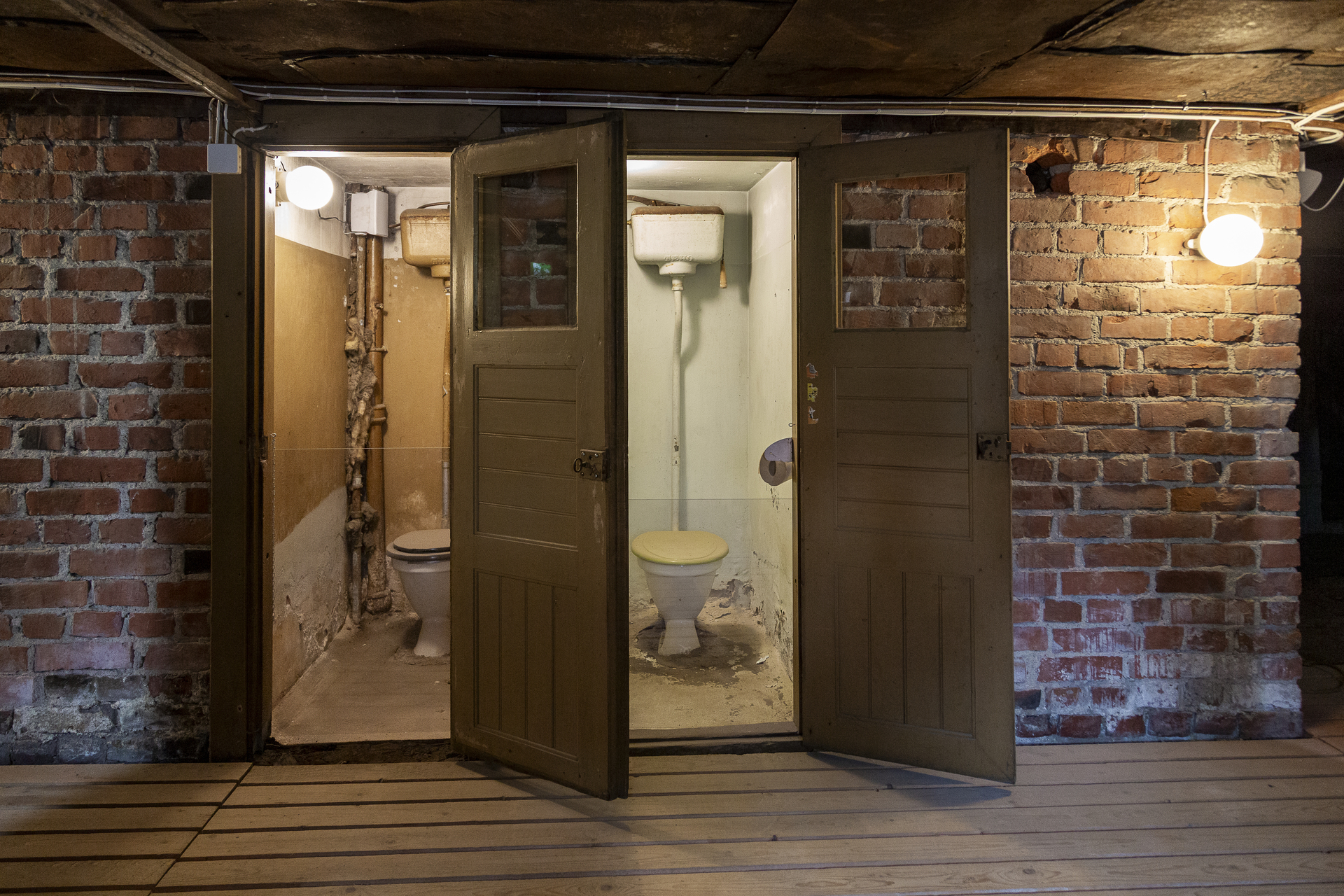
The homes take you back to different decades of the 20th century, and you can explore them from the attics down to the basements. On display are original pieces of furniture, personal items and details. You can see how oil lamps gave way to electric lights, extendable beds were replaced by spring beds, and new household appliances found their place inside homes. For example, almost all homes had a sewing machine, but the gramophone and radio were rare novelties at first. Life’s sorrows and shadows also feature as part of everyday life.
Come and see, hear and experience the stories and belongings that fill these small working-class homes. You can explore the stove rooms on your own or take part in a guided tour, which we organise regularly. Please note that you can also book a dedicated guide for larger groups.
Take a peek inside
History of the Workers’ Museum
The workers’ housing is a rare reminder of the densely populated working-class district that grew up beyond Pitkäsilta, the Long Bridge, at the turn of the 20th century. To improve living conditions for its own workforce, the City of Helsinki built high-quality homes on what was then called Kristiinankatu. Completed in 1909, the flats were rented to labourers who had served the city for many years, preferably those with large families. The rent was high, but the residents were content.
From the 1950s onwards, wooden houses quickly disappeared from Kallio, and in 1966 the workers’ housing on Kirstinkatu was also earmarked for demolition. The buildings were left to fall into disrepair, and life within their walls grew increasingly troubled.
It was not until 1986 that the buildings were protected. Three of them were renovated into modern flats, and the City Museum turned one into the Workers’ Museum. The well-preserved building was restored with as much of its original character kept as possible. Its nine stove rooms have been furnished as the homes of residents who lived there at different times.